What Does an Event Planner Do? A Complete Guide to Event Planning Services
From ideas to a coordinated celebration — how an event planner connects vision, venue, vendors, guests, and event-day execution.
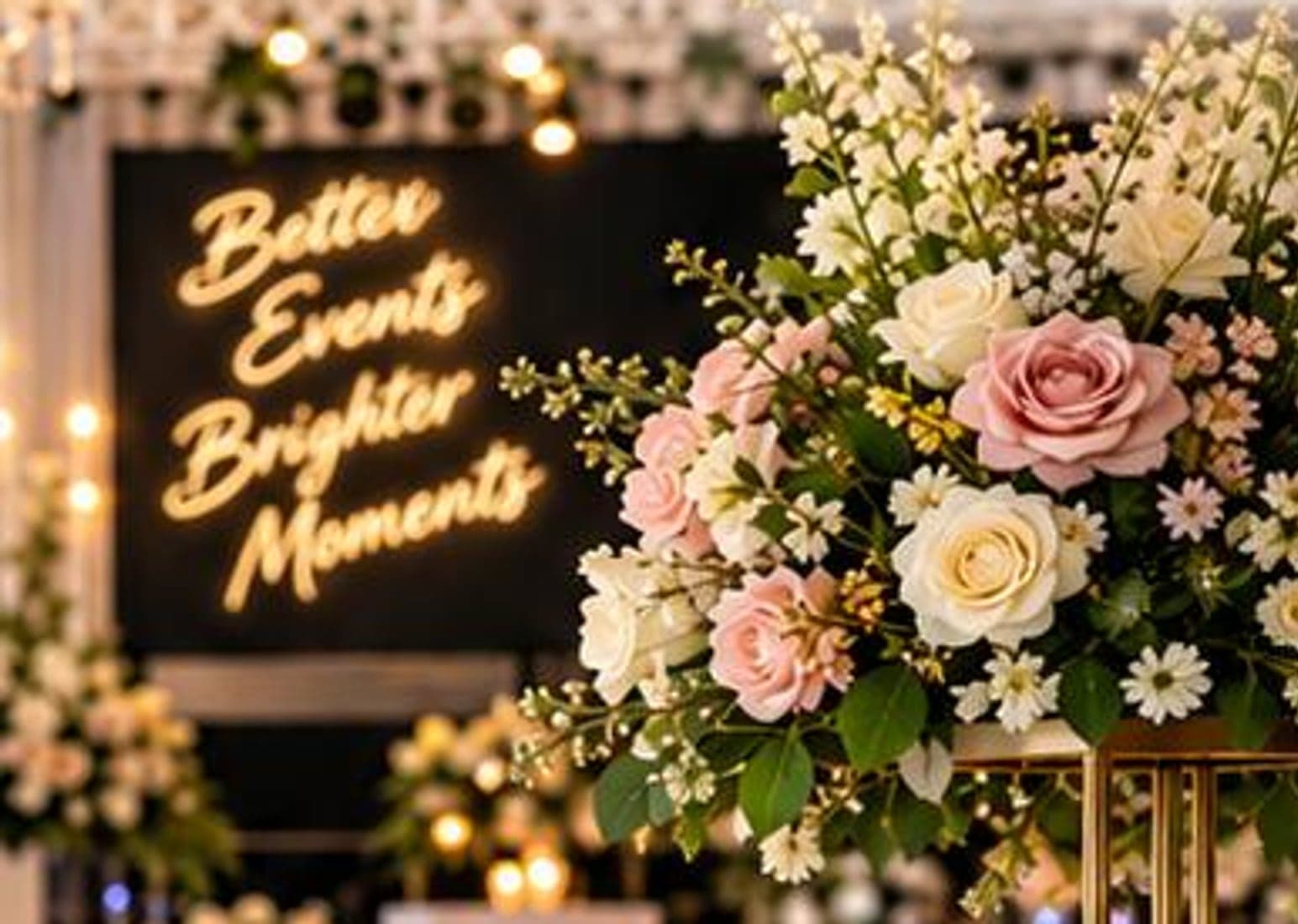
An event planner turns an idea into an organized event
The planner helps connect your vision with the venue, budget, vendors, design, guests, timeline, and event-day execution. This guide is for weddings, destination celebrations, corporate events, birthdays, anniversaries, and other special occasions.
What Is an Event Planner?
An event planner is the person or team that helps turn an event idea into a practical plan and coordinates the details needed to deliver it. Instead of the host managing every supplier, deadline, design decision, guest detail, and event-day activity alone, the planner creates a structured process.
AS Events presents its work around bespoke planning, venue curation, and event execution. Services include Wedding Planning, Destination Weddings, Corporate Events, Birthday Celebrations, and Anniversary Events.
In simple words
- You explain what you want.
- The planner understands your goals, date, guests, budget, and style.
- The planner builds the plan and coordinates the required services.
- The planner manages important details before and during the event.
- You can spend more time enjoying the event and your guests.
VISION → BUDGET → VENUE → VENDORS → TIMELINE → EXECUTE
The planner connects the client's idea to the operational steps needed to deliver the event.
- 1
VISION
Goals, style, and must-haves
- 2
BUDGET
Priorities and a spending plan
- 3
VENUE
Location, capacity, and access
- 4
VENDORS
Food, décor, photo, and music
- 5
TIMELINE
Tasks and deadlines
- 6
EXECUTE
Coordinate on event day
1Understanding the Client's Vision
Good planning starts with listening. Before recommending a venue, décor concept, or vendor, the planner needs to understand what the client actually wants.
- Event type and purpose
- Preferred date and location
- Expected guest count
- Budget range and priorities
- Theme, style, colors, or atmosphere
- Food, entertainment, décor, photography, and other requirements
- Special moments or guest needs
A client wants an elegant 50th anniversary celebration for 100 guests. The planner turns that broad idea into practical questions about venue, dining, décor, entertainment, photography, guest flow, budget priorities, and timing.
2Creating the Event Plan
Once the requirements are clear, the planner creates a working plan. Depending on the event, this can include a budget framework, timeline, vendor plan, venue plan, guest plan, design direction, and event-day schedule.
- 1Define the event goals and requirements.
- 2Create the initial budget and priorities.
- 3Research and shortlist venues and vendors.
- 4Confirm the design and event format.
- 5Book and coordinate the required services.
- 6Build the detailed event timeline.
- 7Confirm final details before the event.
- 8Coordinate execution on event day.
3Venue Selection and Coordination
The venue affects guest capacity, layout, décor possibilities, catering, parking, production, access, setup time, and the overall experience. A planner can help compare options and coordinate venue-related details.
- Venue research and shortlisting
- Capacity and layout considerations
- Availability and scheduling
- Setup and breakdown timing
- Vendor access and loading arrangements
- Guest arrival and movement
- Coordination with venue representatives
4Event Design and Theme Development
Event design is more than choosing attractive decorations. The planner helps connect the theme, décor, furniture, lighting, stage or focal areas, signage, tables, and guest experience into one consistent look.
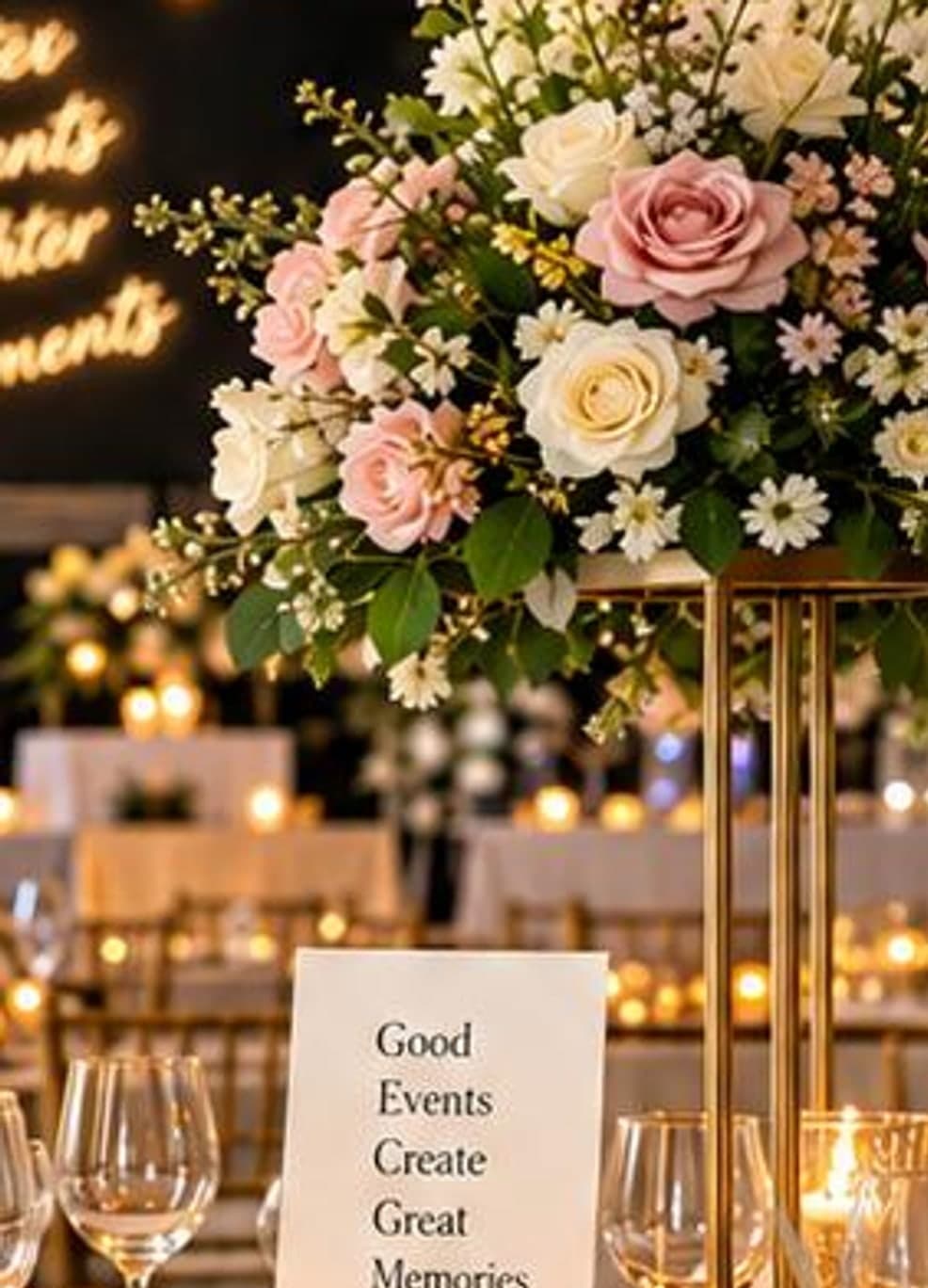
For a modern birthday celebration, one design direction can be carried through the backdrop, tablescape, lighting, cake area, signage, seating, and photo area so the event feels connected rather than pieced together.
5Vendor Selection and Coordination
Events often involve several vendors. Vendor coordination covers catering, décor, entertainment, photography, videography, and production — and it is more than collecting names. It means confirming requirements, timing, responsibilities, access, setup, communication, and changes so different teams can work together.
SHORTLIST → CONFIRM → SCHEDULE → CONNECT → CHECK
Vendor coordination is a sequence, not a single booking.
- 1
SHORTLIST
Find suitable providers
- 2
CONFIRM
Scope, cost, and availability
- 3
SCHEDULE
Setup and arrival timing
- 4
CONNECT
Share event requirements
- 5
CHECK
Confirm before event day
- Catering
- Décor and floral services
- Photography and videography
- DJs and live entertainment
- Audio-visual and production teams
- Transportation
- Invitations and guest-management support
6Budget Planning and Tracking
A useful event plan connects the client's budget with their priorities. The planner can organize expected costs, deposits, vendor commitments, and changes so the client can understand how decisions affect the overall plan.
Questions to discuss early
- What is the overall budget range?
- Which parts of the event matter most?
- Which services are essential?
- Where is there flexibility?
- What deposits or payment milestones apply?
- Are there venue or vendor restrictions that affect cost?
7Guest Management
Guests experience an event through many small details: invitations, arrival, seating, food service, directions, timing, entertainment, and transitions. Planning these details helps the event feel organized.
- Invitation and RSVP coordination
- Guest list organization
- Arrival or registration flow where applicable
- Seating and table planning
- Guest information and directions
- Special guest requirements
- Guest communication and concierge support for destination events
8Destination Event Coordination
Destination events add another layer of logistics because guests, venues, vendors, and schedules may be spread across locations. AS Events lists destination expertise, travel and accommodation coordination, local vendor partnerships, legal documentation assistance, multi-day planning, and guest concierge services.
The goal is to connect the event plan with travel and location logistics so guests know where to go, vendors know when and where to work, and the event schedule remains practical.
9Corporate Event Planning
Corporate events often have objectives beyond celebration. They may support a conference, networking program, team activity, awards event, brand activation, or professional guest experience. Different event types have different details, but the planning framework stays connected.
GOAL → PEOPLE → PLACE → PRODUCTION → EXPERIENCE
The same core process applies whether the event is a destination celebration, a corporate program, or a social gathering.
- 1
GOAL
Why is the event happening?
- 2
PEOPLE
Guests, team, and speakers
- 3
PLACE
Venue, travel, or access
- 4
PRODUCTION
Food, décor, AV, and entertainment
- 5
EXPERIENCE
Flow, timing, and special moments
- Conference and summit planning
- Team-building events
- Award ceremonies
- Networking events
- Brand activation
- Audio-visual production
- Registration and attendee flow
- Stage and presentation coordination
10Birthday and Anniversary Events
Social events can be highly personal. A planner can coordinate the creative and operational details while keeping the event connected to the client's story — whether that is a birthday celebration or an anniversary event.
- Custom theme design
- Entertainment booking
- Catering coordination
- Photography and videography
- Invitations and RSVP management
- Party favors and gifts
- Renewal-of-vows ceremonies
- Memory-lane installations
- Custom video tributes
- Elegant dining and guest coordination
11What Happens on Event Day?
Event-day execution is where planning becomes real. Several activities may happen at the same time, so someone needs to keep the timeline, vendors, venue, program, and guest experience aligned.
VENUE → VENDORS → PROGRAM → GUESTS → BACKUP
The planner keeps venue, vendors, program, guests, and unexpected changes aligned.
- 1
VENUE
Access and setup
- 2
VENDORS
Arrival and timing
- 3
PROGRAM
Cues and transitions
- 4
GUESTS
Arrival and comfort
- 5
BACKUP
Problems and changes
- Vendor arrival and setup
- Décor installation
- Catering readiness
- Entertainment and production checks
- Photography and videography coordination
- Guest arrival
- Program transitions and special moments
- Timeline monitoring
- Problem-solving and communication
- Breakdown and final coordination
While guests are arriving, the catering team may be preparing service, the photographer may be capturing details, entertainment may be checking equipment, and décor teams may be completing final touches. The planner or event team coordinates these moving parts.
12Why Hire a Professional Event Planner?
The value of an event planner is often the organization and coordination they bring to a complicated process. A client may know exactly how they want the event to feel without wanting to manage every operational detail.
- A structured planning process
- Help comparing venues and services
- Vendor communication and coordination
- Support with event design
- Guest and logistics coordination
- A clearer event timeline
- Event-day management and problem solving
13What an Event Planner Does Not Automatically Mean
Event planning services can vary. A planner may coordinate a service without directly supplying that service. For example, coordinating photography is different from being the photographer. The same distinction can apply to catering, décor, entertainment, transportation, and production.
Before booking, ask which services are included, which are coordinated through outside vendors, who will be present on event day, how fees are structured, and which responsibilities remain with the client.
14Questions to Ask Before Hiring
- 1What types of events do you regularly plan?
- 2What services are included in your package?
- 3Will you help with venue selection?
- 4How do you coordinate vendors?
- 5Who will be my main point of contact?
- 6Will your team be present on event day?
- 7How do you build and manage the event timeline?
- 8How do you handle changes or unexpected issues?
- 9How are planning fees and vendor costs structured?
- 10What information do you need to prepare a proposal?
15Simple Event Planning Checklist
Start with the client's vision and move through the coordinated planning process.
- Event vision and goals confirmed
- Guest count estimated
- Budget range established
- Venue selected
- Vendors identified and coordinated
- Design and theme confirmed
- Invitations and RSVPs managed
- Event timeline prepared
- Special requirements confirmed
- Event-day responsibilities assigned
- Backup plan discussed
- Final details reviewed
Share your plans with AS Events
An event planner is more than someone who arranges decorations. The role is about turning an idea into a coordinated experience — budget, venues, vendors, design, guests, timeline, and event-day details. Share your event type, preferred date, guest count, location, and planning requirements with AS Events to discuss the next steps.