Complete Event Planning Checklist: From the First Idea to Event Day
A practical event planning guide for the decisions that turn an idea into a coordinated, guest-ready event.
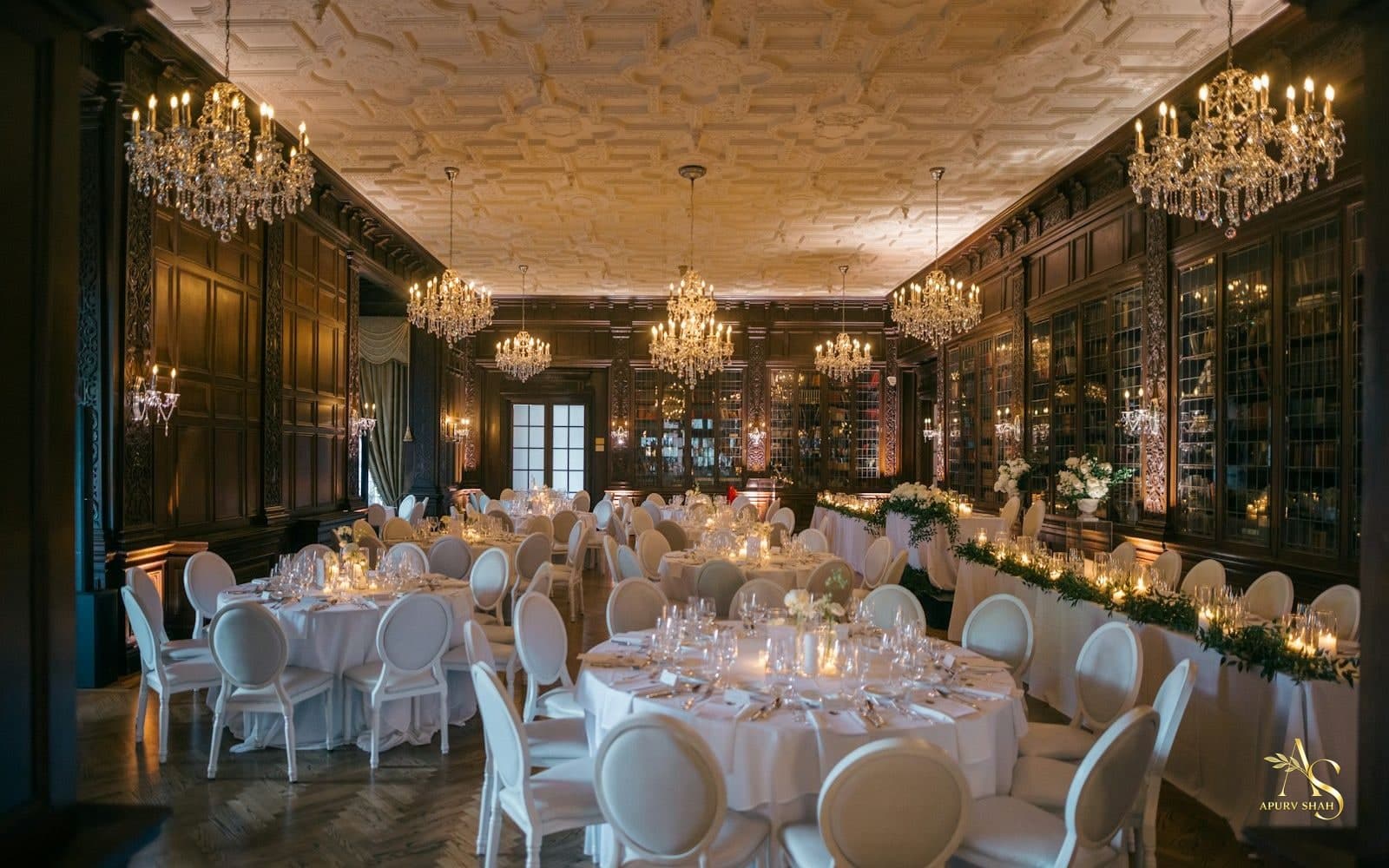
One checklist, from the first idea through the wrap-up
Use this event planning checklist to organize your budget, venue, vendors, guest experience, timeline, event-day execution and post-event wrap-up. It is an event management guide you can adapt, not a script you have to follow line by line.
An event planning checklist is useful when it connects decisions instead of collecting them. Venue, food, design, guests and timing only work when they belong to the same plan. This event planning guide follows that sequence, from the reason for the event to the closeout after guests leave.
The framework can be adapted for wedding planning, destination weddings, corporate events, birthday celebrations, anniversary events and other social occasions. AS Events focuses on planning, venue curation, vendor coordination and execution across those event planning services.
If you want a partner to hold the whole sequence together, compare event packages after you know which decisions matter most for your occasion.
1Start With the Event Idea
Every successful event begins with a clear reason for existing. Write down the occasion, the people you want to bring together, the feeling you want guests to leave with, and the practical result you want to achieve. A birthday may be about one person. A corporate event may be about learning or networking. A wedding may be about celebrating a relationship. The planning choices should follow that purpose.
From Idea to Event Brief
A clear brief becomes the filter for later planning decisions.
- 1
VISION
What should guests feel and remember?
- 2
FORMAT
Wedding, corporate, birthday, anniversary or other
- 3
GUESTS
Estimate who is attending and why
- 4
BUDGET
Set a realistic planning range
- 5
SUCCESS
Define what a great event looks like
What to decide first
- Event type and occasion
- Approximate guest count
- Preferred date or date range
- Location or destination
- Desired atmosphere and style
- Comfortable budget range
- Must-have experiences
The clearer the brief, the fewer unnecessary decisions you will make later.
2Build a Realistic Event Budget
A professional event planning budget is more than a venue number. It is a map of the money required to create the experience. Separate major categories, record deposits and payment dates, and keep a contingency amount for changes or unexpected requirements.
Build the Budget Before Booking
Keep a contingency reserve for changes and unexpected requirements.
VENUE
Rental, rooms, access, deposits and required fees
FOOD
Menu, service style, beverages and staffing
DESIGN
Décor, florals, furniture, lighting and staging
PRODUCTION
Audio, screens, microphones, power and technical crew
Budget categories
- Venue and venue-related charges
- Food and beverage
- Décor, florals and furniture
- Photography and videography
- Entertainment and artists
- Audio-visual, lighting and production
- Invitations, signage and stationery
- Transportation, accommodation or guest logistics
- Contingency reserve
Never approve a vendor simply because the headline price looks low. Compare scope, inclusions, timing and quality.
3Work Backward From Event Day
A strong event planning timeline starts with the final date and works backward. Major commitments such as the venue, core vendors and guest logistics usually need earlier decisions than décor details or final confirmations. These event planning steps keep the event planning process from drifting into separate lists.
Plan Backward From Event Day
Major commitments usually need earlier decisions than final décor details.
- 1
GOAL
Name the event day and the result you are planning toward
- 2
12+ WEEKS
Venue and major vendors
- 3
8–12 WEEKS
Design and guest planning
- 4
4–8 WEEKS
Final vendors and program
- 5
1–2 WEEKS
Confirmations and run sheet
- 6
EVENT DAY
Execute and monitor
Planning checkpoints
- Set the event date and non-negotiable deadlines
- Book the venue and major vendors
- Develop the design and guest plan
- Build the detailed program and vendor schedule
- Confirm quantities, arrivals, payments and special requirements
- Run the final briefing and rehearsal where appropriate
Use one master timeline instead of separate lists that can drift apart.
4Choose the Right Venue
The right venue is not simply the prettiest space. It must work for capacity, guest movement, production, food service, access and the overall experience. Ask what is included, what has restrictions, and what must be brought in. Use this event venue checklist on the walk-through, then compare the space with celebrations in the event portfolio.
Choose a Venue With the Event Flow in Mind
Capacity is only the first question. Access, layout, services and backup decide whether the space can host the event.
- 1
CAPACITY
Can the room comfortably hold the expected guests?
- 2
ACCESS
Parking, loading, guest arrival and accessibility
- 3
LAYOUT
Can dining, stage and social areas work together?
- 4
SERVICES
What is included, and what must be sourced?
- 5
BACKUP
What happens if weather or access changes?
Venue walk-through checklist
- Guest capacity and comfortable seating
- Arrival, parking and accessibility
- Load-in and vendor access
- Power, sound and lighting requirements
- Catering rules and kitchen access
- Rain or weather backup for outdoor events
- Setup and breakdown windows
- Restrictions on décor, music or vendors
Walk through the venue as a guest, then walk through it again as a vendor.
5Build the Vendor Team
Vendors work best when everyone understands the same plan. Give each critical partner a clear scope, contact person, arrival time, setup responsibility and handoff point. A professional event planner does not only book vendors. The work is to connect their efforts into one system. That coordination is a large part of what an event planner does.
Turn Vendors Into One Coordinated Team
Every partner should share the same brief, scope, contact, timeline and backup.
EVENT
BRIEF
Share the same event vision and priorities
SCOPE
Confirm deliverables, timing and inclusions
CONTACT
Know the decision-maker for each partner
TIMELINE
Align arrival, setup and cues
BACKUP
Have alternatives for critical risks
Venue · Catering · Décor · Photo and video · Entertainment · Production · Logistics
Core vendor map
- Venue
- Catering
- Décor and florals
- Photography and videography
- Entertainment
- Audio-visual and lighting
- Transportation and logistics
- Specialty vendors
Create one vendor contact sheet and keep it current.
6Design the Guest Journey
Think about the event from the guest's point of view. Where do they park? Who welcomes them? How do they know where to sit? When do they eat? Where do they take photos? What happens between program moments? Small gaps can make an otherwise beautiful event feel disorganized. These event planning tips are really guest-flow questions.
Design the Guest Journey
Walk the event as a guest would, from the first arrival to the last departure.
- 1
ARRIVE
Parking, welcome and registration should feel clear
- 2
ORIENT
Guests should know where to go next
- 3
EXPERIENCE
Food, seating, program and entertainment flow
- 4
CONNECT
Build natural moments for conversation and celebration
- 5
LEAVE
Departure, gifts and transport should be organized
Guest journey questions
- Arrival and welcome
- Registration or seating
- Wayfinding and signage
- Food and beverage flow
- Program transitions
- Restroom and accessibility needs
- VIP or special guest support
- Departure and transportation
If a guest has to ask three people where to go next, the event flow needs another look.
7Create the Design Concept
Good event design is a system, not a pile of decorations. Start with a visual direction, then make décor, lighting, furniture, signage and floral choices support the same story. The AS Events portfolio shows wedding, corporate, birthday, anniversary and other event setups, and how the design can change by occasion.
Build a Visual Concept Before Buying Décor
Palette, focal point, light and details should tell the same story.
PALETTE
Choose a focused color family and supporting neutrals
FOCAL POINT
Create one or two memorable visual moments
LIGHT
Plan how the space should look during each phase
DETAILS
Tables, signage, florals and small touches should support the concept
Design checklist
- Choose a focused color palette
- Define the main focal area
- Plan guest sightlines
- Coordinate tables and furniture
- Plan lighting for different event phases
- Create consistent signage
- Use décor to support the event purpose
A simple, consistent concept usually looks more intentional than too many unrelated ideas.
8Build the Run-of-Show
The run-of-show is the event's operating script. It tells the team what happens, when it happens, who owns the cue, and what must be ready before the next moment. It is especially important for ceremonies, speeches, entertainment and corporate programs. This is the event planning workflow that the room actually follows.
Create a Run-of-Show Everyone Can Follow
The operating script tells the team what happens, who owns the cue, and what must be ready next.
- 1
SETUP
Venue ready and technical checks
- 2
GUESTS
Arrival and welcome
- 3
PROGRAM
Ceremony, speeches or presentations
- 4
PEAK
Main celebration and entertainment
- 5
CLOSE
Final announcements and departure
Include these fields
- Time
- Activity
- Location
- Owner
- Vendor cue
- Technical requirement
- Guest movement
- Backup action
Build enough buffer into the schedule to absorb small delays without moving the entire event.
9Plan for Risk and the Unexpected
A professional event plan assumes that something may change. Weather, traffic, vendor delays, technical issues, guest needs or timing changes can happen. The goal is not to eliminate every risk. It is to decide in advance what the team will do.
Plan for What Could Go Wrong
Decide in advance what the team will do if conditions change.
WEATHER
Outdoor backup location or timing adjustment
VENDOR
Backup contact and replacement option
POWER
Power plan and technical contingency
MEDICAL
Know venue procedures and emergency contacts
TIMING
Buffer time between major program moments
GUEST
Accessibility, dietary and special assistance needs
Risk checklist
- Weather backup
- Backup vendor contacts
- Power and technical contingency
- Emergency contacts and venue procedures
- Extra time for key transitions
- Dietary and accessibility requirements
- Backup transportation where needed
- Decision-maker identified for urgent issues
A backup plan is useful only if the team knows who can activate it.
10The Final Week
The final week should reduce uncertainty. Do not use it to discover that a vendor misunderstood the setup or that a key item has never been assigned. Confirm the details and put the whole team on the same page.
The Final Week Is for Confirmation
Use the last week to confirm the plan, not to discover that a key item was never assigned.
- 1
CONFIRM
Vendor arrival, quantities and contact list
- 2
REHEARSE
Review key cues and important transitions
- 3
PACK
Emergency kit, signage and critical documents
- 4
BRIEF
Give the team one final master schedule
- 5
REST
Protect energy for the event itself
Final-week actions
- Confirm every critical vendor
- Reconfirm guest count and special requirements
- Review floor plans and setup instructions
- Finalize the run-of-show
- Confirm payments and required documents
- Prepare signage, an emergency kit and printed schedules
- Brief the event-day team
One final master document should be more trusted than five different versions of the schedule.
11Event-Day Command Center
Event day is where planning becomes live coordination. Someone must keep the master view while vendors and guests focus on their own roles. The lead coordinator should know what is happening now, what happens next, and what could affect the next 30 to 60 minutes. That event coordination checklist is the command view, not another copy of every vendor contract.
Event-Day Command Center
One lead coordinator should keep the master view.
EVENT
VENUE
Setup, access and room readiness
VENDORS
Arrival, placement and check-in
GUESTS
Welcome, flow and VIP support
PROGRAM
Cues, timing and transitions
BACKUP
Weather, technical issues and unexpected changes
Command-center priorities
- Venue readiness
- Vendor check-ins
- Guest arrival and hospitality
- Program cues
- Production and technical status
- Timing and transitions
- Issue escalation
- Backup-plan activation
Calm communication is a planning tool. Give the team clear instructions rather than creating unnecessary urgency.
12The Practical Event-Day Checklist
Use a short event day checklist for the final physical check. A long plan is valuable, but a quick visual checklist is easier to use while moving around the venue.
A Simple Event-Day Checklist
A short visual check is easier to use while moving around the venue.
VENUE
Room ready, signage placed and access confirmed
VENDORS
All critical vendors checked in
CATERING
Service timing and dietary needs confirmed
AV
Sound, screens, microphones and lighting tested
GUESTS
Registration, seating and hospitality ready
PROGRAM
Host, script and cues aligned with the run sheet
Before guests arrive
- Venue room setup complete
- Décor and signage placed
- Catering ready for service
- Audio, microphones and screens tested
- Lighting checked
- Vendor team checked in
- Program cues reviewed
- Emergency and backup materials accessible
The best checklist is short enough to use and specific enough to prevent missed details.
13Close the Event Professionally
The work does not end when the last guest leaves. Close the venue, return rentals, reconcile documents, confirm vendor wrap-up and capture lessons while the event is still fresh.
Close the Event Professionally
The work continues after the last guest leaves.
- 1
WRAP
Confirm guests, vendors and venue are safely closed out
- 2
RECONCILE
Collect final documents and approved expenses
- 3
RETURN
Track rentals, equipment and leftover materials
- 4
THANK
Send thoughtful follow-ups to clients and partners
- 5
LEARN
Record what worked and what should change next time
Post-event checklist
- Confirm venue closeout
- Check rented equipment and décor
- Collect final documents and receipts
- Confirm outstanding vendor items
- Thank clients and partners
- Archive the final run-of-show and vendor list
- Record lessons for the next event
A short post-event review can improve the next event more than another hour of brainstorming.
14The Complete Event Planning Checklist
Use the complete sequence as your master event management checklist: define the purpose, establish money and timing, secure the venue, coordinate vendors, design the guest experience, build the program, prepare contingencies, confirm the final details, execute, and close out. An event planner checklist is most useful when each task has an owner.
The Complete Event Planning Checklist
The checklist is a system. Every decision should connect to the guest experience, operational readiness or budget control.
- 1
IDEA
Vision and goals
- 2
PLAN
Budget and venue
- 3
BUILD
Vendors and design
- 4
DETAIL
Guests and program
- 5
PREP
Confirm and rehearse
- 6
EXECUTE
Event day
- 7
REVIEW
Close and improve
Master sequence
- Idea, then the event brief
- Budget, then priorities
- Venue, then guest flow
- Vendors, then responsibilities
- Design, then experience
- Program, then timing
- Risk, then backups
- Final week, then confirmation
- Event day, then execution
- Post-event, then review
Every task should connect back to one of three goals: guest experience, operational readiness or budget control.
15Quick Reference: Print This Page
Keep this final event checklist with your planning documents. Tick items as they are completed and assign an owner to anything that is still open.
One-Page Planner Quick Reference
Eight checks that show whether the plan is ready to run.
VISION
Purpose, audience and experience
MONEY
Budget, deposits and contingency
PLACE
Venue, layout and access
TEAM
Vendors, responsibilities and contacts
GUESTS
Invites, RSVP, seating and needs
PROGRAM
Run-of-show, cues and transitions
RISK
Weather, technical and backup plans
DAY
Briefing, execution and closeout
Master checklist
For larger or more complex events, expand each line into its own task list and assign a responsible person and deadline.
Related planning guides
Two companion articles go further on the role itself and on hiring. Read what an event planner does, from vision through event-day execution, then how to choose the right event planner for your event.
Turn Your Event Checklist Into a Complete Plan
Planning an event involves dozens of connected decisions. AS Events can help coordinate the venue, vendors, guest experience, timeline and event-day execution so the plan works as one complete system.