
Wedding Planner vs. DIY Wedding Planning: Which Is Right for You?
Compare DIY wedding planning with professional wedding planning across cost, creative control, vendors, time commitment and wedding-day coordination.

Weighing hands-on creative ownership against structured professional execution to create a joyful, memorable Indian wedding celebration.
Quick Answer: Wedding Planner vs DIY
DIY wedding planning means the couple or family manages vendors, budgets, contracts, and timelines themselves. A professional wedding planner takes contractual responsibility for agreed planning, coordination, and on-site execution tasks.
Neither option is automatically cheaper or universally better. The right choice depends on your available time, wedding complexity, support system, and how much event-day operational responsibility you want to delegate so you can fully enjoy celebrating with your loved ones.
What Does DIY Mean in Wedding Planning?
DIY stands for “Do It Yourself.” In the context of Indian wedding planning, it means the couple—frequently with enthusiastic support from close family and friends—takes direct responsibility for organizing the entire celebration instead of contracting a full-service wedding planner. You choose the venue, establish the budget ceiling, negotiate directly with suppliers, schedule payments, make design selections, and ensure every milestone stays on schedule.
Crucially, DIY does not mean doing every wedding task with your own hands. You do not need to cook hundreds of banquet meals, sew your bridal lehengas, or construct a heavy floral mandap yourself. You can still hire premier caterers, floral decorators, choreographers, and cinematographers. What makes an event “DIY” is that the couple acts as the central project management team connecting those separate pieces together.
For example, imagine a wedding featuring a home Haldi, a vibrant Mehendi at a banquet hall, and an evening Reception at an outdoor lawn. A DIY couple evaluates each layout, compares supplier proposals, pays separate advances, confirms arrival times, and delegates setup monitoring to cousins or siblings. If two suppliers disagree about setup access, the family must resolve the conflict. By contrast, hiring professional wedding planning services delegates that coordination under a defined written contract.
DIY or Professional Wedding Planner?
DIY wedding planning is frequently a rewarding choice for couples planning an intimate, focused celebration who have generous free time, love research, and can reliably manage logistical details. A professional wedding planner becomes invaluable when a celebration involves multiple rituals, hundreds of guests, hotel accommodations, production requirements, or demanding work careers that leave little room for daytime supplier follow-up.
Neither option is automatically stress-free. DIY removes a planner fee but places the administrative and operational workload entirely on the couple and their family. Conversely, hiring a planner adds a professional fee but does not remove all couple involvement—major budget approvals and creative decisions still rest with the bride and groom.
The secret is agreeing on the management framework before signing major venue contracts: decide early who owns the budget, who approves changes, who communicates with vendors, and who oversees operations on the wedding day.
1. Why the Wedding Planner vs DIY Decision Matters
The joyful excitement of an engagement quickly transitions into a complex sequence of real decisions. Couples must set dates, estimate guest numbers, secure venues, finalize menus, book photographers, coordinate family outfits, design invitations, and disburse advances. Every choice directly influences the next: guest count dictates hall size, venue policies dictate catering terms, and ceremony timings dictate photographer coverage.
In a DIY approach, you or trusted family members become the primary coordinators. You compare proposals, track milestone dates, and manage vendor communication. With professional wedding planning services, you delegate agreed responsibilities while maintaining full authority over budget caps and stylistic themes.
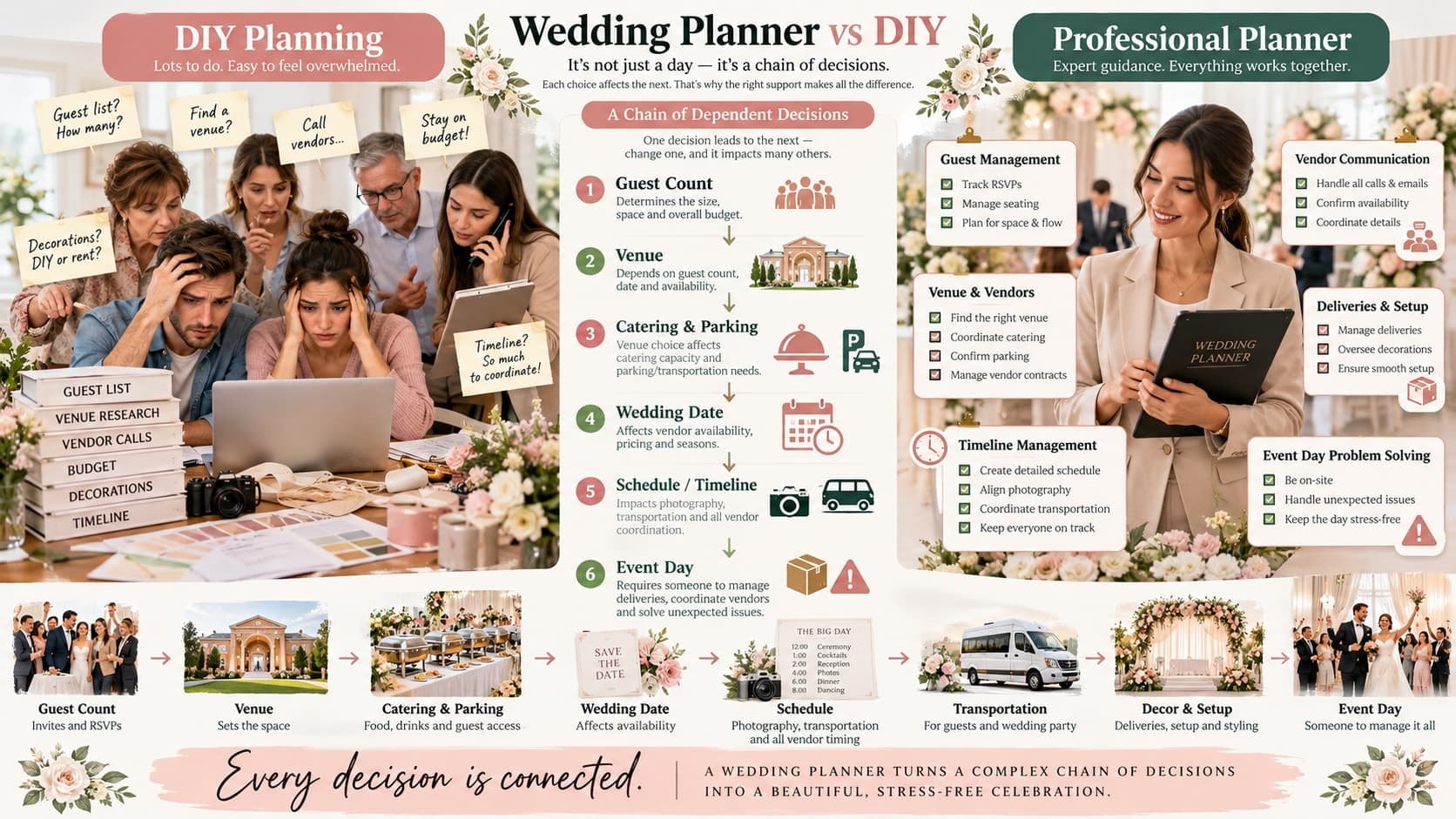
Figure 1: Wedding planning is a sequence of dependent decisions—from guest count and venue rules to sound-checks and ceremony milestones.
Equally important is event-day execution: when vendors arrive at 6:00 AM, deliveries roll in, and unforeseen hiccups arise, someone must be available to coordinate while the couple is getting ready or participating in sacred rituals. Choosing between DIY and a professional planner determines who carries that operational mantle.
2. The Appeal of DIY Wedding Planning
DIY wedding planning holds strong appeal for couples who love curating aesthetic details and want every aspect of their celebration to reflect their personal touch. It offers distinct benefits when approached with realistic preparation.

Figure 2: The three primary appeals of DIY wedding planning—creative freedom, fee savings, and shared family collaboration.
Full Creative Control
When planning independently, creative ideas flow directly from the couple to artisans and decorators without intermediary filters. You specify the exact marigold shade, design custom digital invitation suites, curate the Sangeet playlist, and tailor rituals. For couples with distinct design sensibilities, translating personal vision into actionable vendor briefs provides immense creative satisfaction.
Potential Cost Savings
Self-planning eliminates the professional fee charged by a full-service planning agency. For couples with a modest overall budget, saving that fee may free up capital for an elevated dining menu, an upgraded photography package, or luxurious bridal attire. However, as explored below in the true cost comparison, third-party expenses for venue, catering, and décor remain fixed regardless of who books them.
A Meaningful Bonding Experience
Collaborating on menu tastings, visiting heritage venues, and hand-crafting wedding favors can create cherished engagement memories. Working through compromises and budgets provides couples with early practice in shared decision-making. Families also enjoy uniting to organize traditional rituals like Haldi and Mehendi when tasks are clear and unhurried.
3. The Challenges and Hidden Work of DIY Planning
The flip side of DIY wedding planning is the sheer volume of logistical follow-up required. Many couples discover that the romantic excitement of curating Pinterest mood boards represents only 15% of the total workload; the remaining 85% is rigorous project administration.
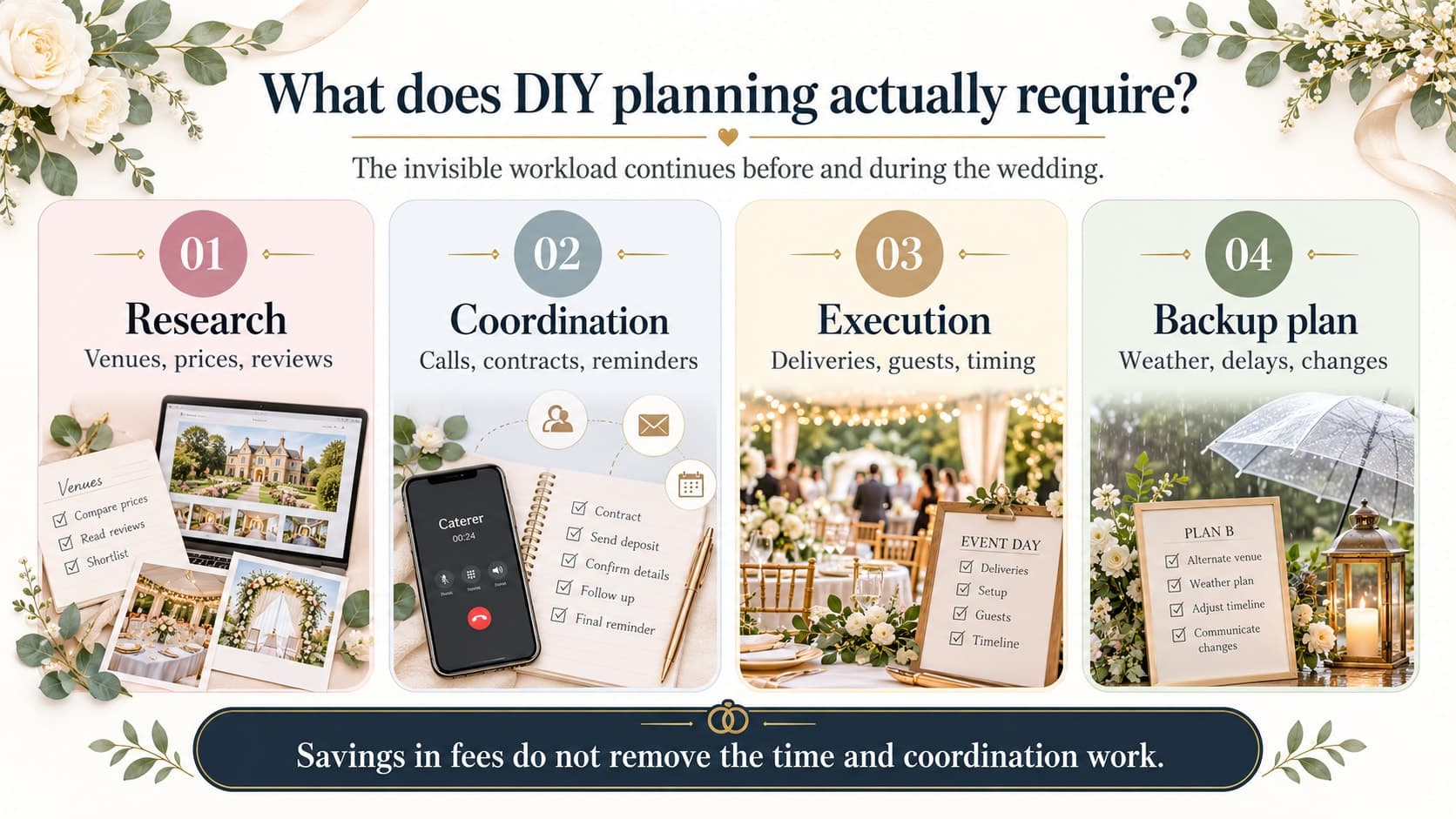
Figure 3: The four distinct workstreams of DIY wedding planning that demand ongoing personal time and energy.
01. Research Workload
Sourcing licensed vendors, reading contracts, comparing quotes line-by-line, verifying equipment inclusions, and visiting venues during business hours.
02. Administration
Tracking payment installments, monitoring guest RSVPs, securing police and sound permits, verifying power generator rentals, and updating spreadsheets.
03. Coordination
Connecting disjointed suppliers: aligning décor installation hours with venue access, ensuring DJ sound-checks do not disturb rituals, and scheduling bus transfers.
04. Execution
Managing live event-day deliveries, directing staff, troubleshooting rain emergencies, ushering VIPs, and approving overtime charges on the spot.
Without dedicated coordination, decision fatigue can set in during the final 30 days. When delivery delays occur or contracts overlap, the burden falls directly on the couple or designated family elders, pulling their attention away from the joy of the rituals.
4. What a Professional Wedding Planner Can Do
A professional wedding planner brings operational discipline, proven vendor networks, and project management structure to your wedding. Rather than dictating your taste, an experienced planner acts as an executive producer who translates your goals into structured milestones.
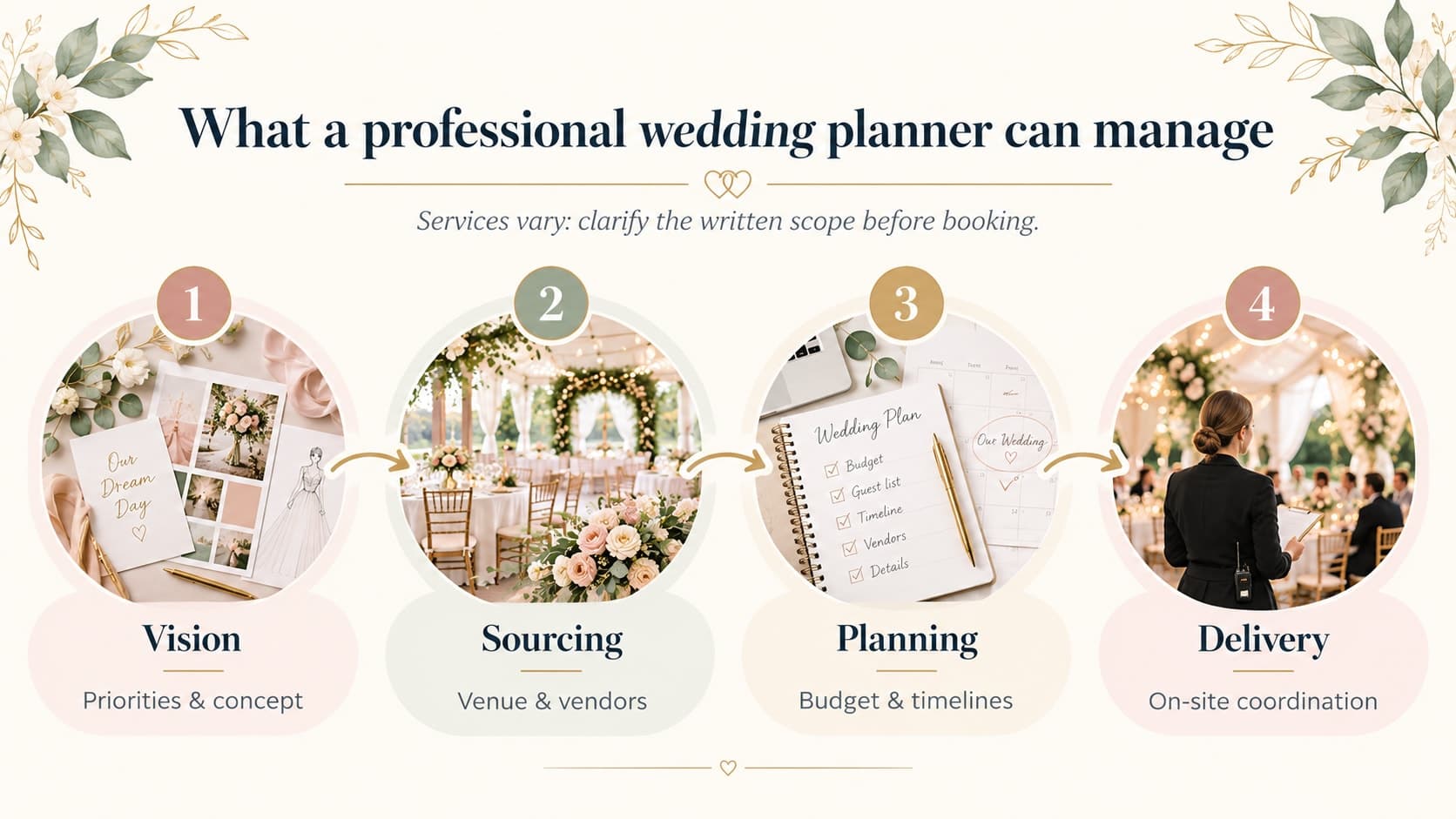
Figure 4: Core service capabilities of professional wedding planning agencies.
Typical full-service responsibilities include:
- Comprehensive budget allocation & expense tracking
- Venue sourcing, contract review & date negotiation
- Vetted supplier sourcing & apples-to-apples price comparison
- Theme design, 3D layouts & production blueprints
- Master run-of-show schedule for family and all vendors
- On-site event execution, vendor lead-in & emergency resolution
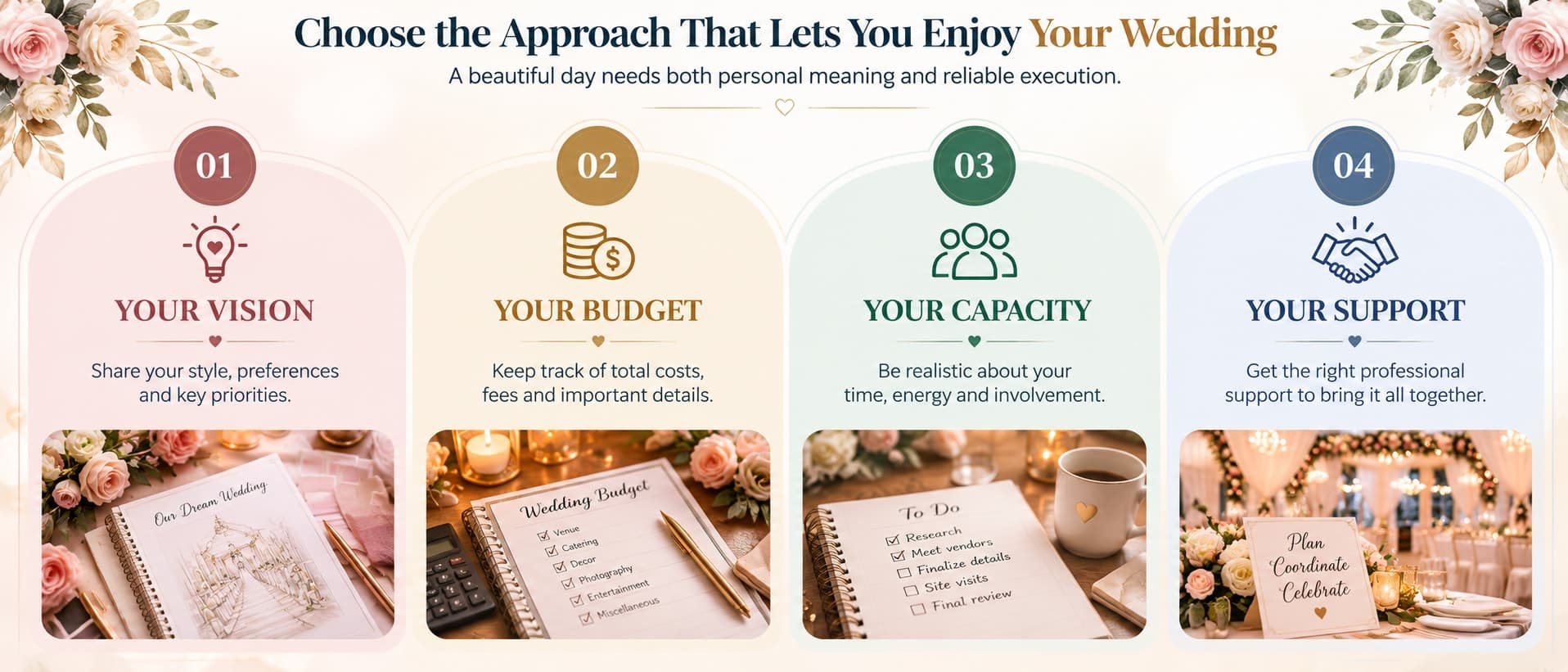
Figure 5: Essential points to clarify before hiring: package deliverables, assigned on-site staff, change procedures, and live emergency support.
Boundaries of Professional Service
A wedding planner coordinates and supervises suppliers but does not automatically disburse vendor payments from their own funds, guarantee third-party performance, or offer unlimited design revisions without pre-agreed terms. Always request a clear written scope of work detailing staffing numbers, meeting limits, and covered functions before signing.
5. Benefits of a Professional Wedding Planner
Partnering with an experienced wedding planner provides valuable operational advantages that elevate both the planning journey and the celebration itself.
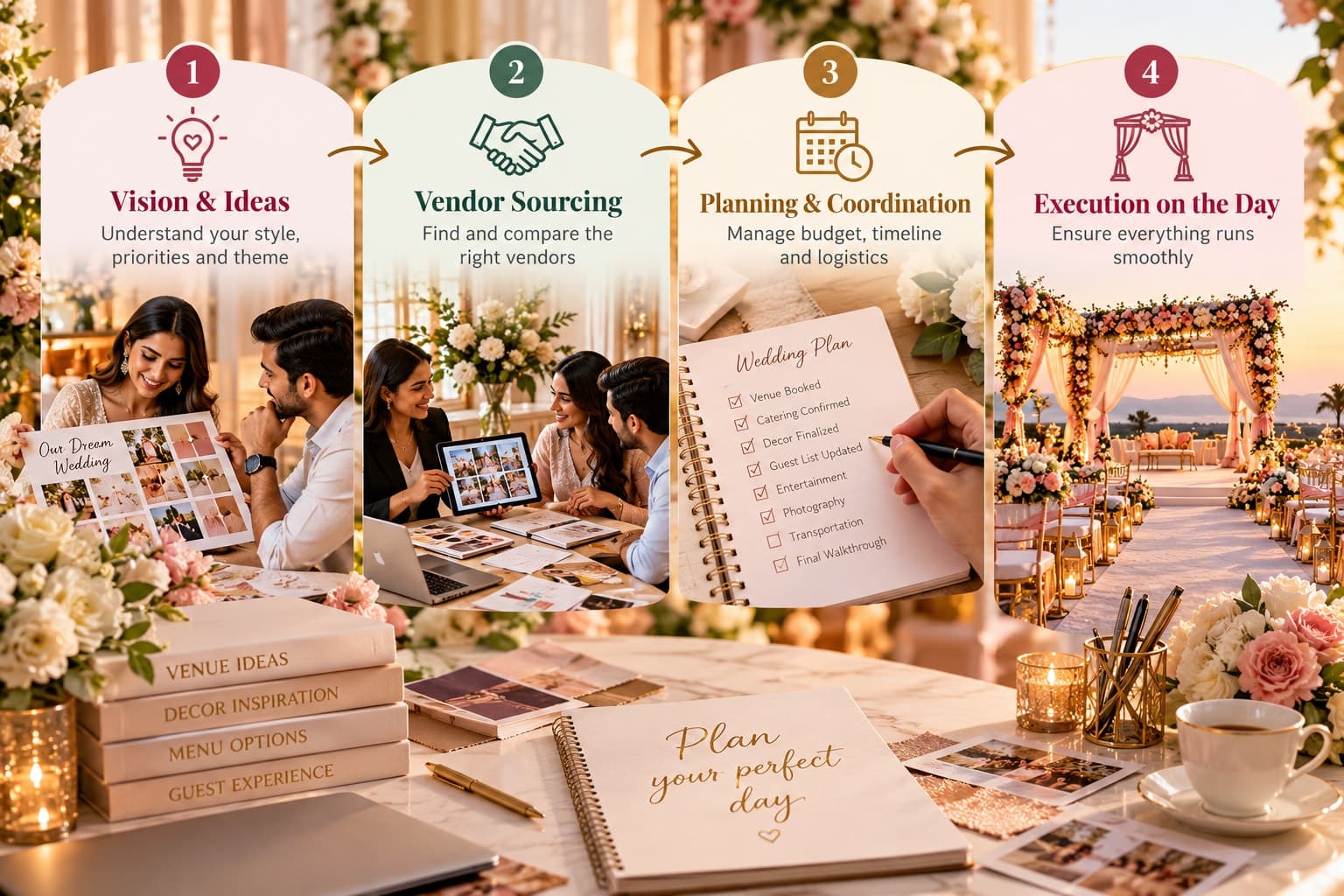
Figure 6: The four systematic phases that professional planners execute to ensure flawless delivery.
Expertise and Steadier Problem-Solving
Seasoned planners recognize timing bottlenecks and venue constraints before they materialize. For example, if an evening Sangeet setup cannot begin until an afternoon corporate luncheon clears the hall, a planner coordinates early loading with production teams to prevent schedule slippage. When unexpected weather strikes an open lawn ceremony, a prepared team implements pre-arranged rain contingencies calmly without distressing the family.
Vendor Research and Industry Knowledge
Planners maintain ongoing relationships with caterers, decorators, audio engineers, and photographers. They understand fair market pricing and ensure that competing proposals are compared on an identical baseline: staffing ratios, equipment wattage, overtime rates, taxes, and cancellation clauses. This prevents couples from being misled by artificially low quotes that exclude crucial equipment or labor.
Budget Organization and Guest Experience
An organized budget framework links spending decisions: expanding the guest list from 250 to 350 affects catering, seating, valet staff, and invitation gifts simultaneously. A planner keeps these ripple effects visible. Furthermore, smooth guest hospitality—clear signage, shaded seating for grandparents, timely transitions between pheras and dinner—creates an effortless atmosphere that guests remember warmly.
6. Wedding Planner vs DIY: A Fair Comparison
To evaluate your choices objectively, consider how responsibilities are distributed under each planning model. Neither approach is universally superior; each aligns with different priorities, wedding formats, and personal availability.
| Consideration | DIY Wedding Planning | Professional Wedding Planner |
|---|---|---|
| Upfront planning fee | May avoid a planner fee; budget allocated directly to suppliers | Pays an agreed professional service fee for planning/coordination |
| Time commitment | Couple & family research, evaluate, follow up and confirm all tasks (100–250+ hours) | Agreed responsibilities delegated; couple attends structured review meetings |
| Creative decisions | Direct couple-led decisions communicated directly to each individual vendor | Couple approves curated options, color palettes, and professional proposals |
| Vendor contracts | Couple reviews clauses, tracks payment schedules, and ensures terms align independently | Planner reviews scope, flags hidden charges, checks overtime clauses and coordinates contracts |
| Stress and backup | Couple and appointed relatives troubleshoot problems, rain contingencies, and supplier delays | Professional team executes pre-agreed contingency plans, escalation protocols, and backups |
| Wedding-day operations | A reliable non-couple lead or family coordinator must be appointed to direct deliveries | On-site coordination team manages vendor arrivals, sound-checks, timelines, and transitions |
| Best fit | Simpler celebrations, single-venue events, ample free time, strong family organization | Multi-function weddings, destination celebrations, large guest counts, busy professionals |
When examining this comparison, remember that the true deciding factor is often accountability: when multiple logistical issues occur simultaneously, who is empowered and available to solve them while you participate in the celebration?
7. How to Compare the True Cost of Both Approaches
A common misconception is that DIY wedding planning eliminates event costs. In reality, you must distinguish between third-party wedding expenses (which exist under both models) and the professional planning fee.
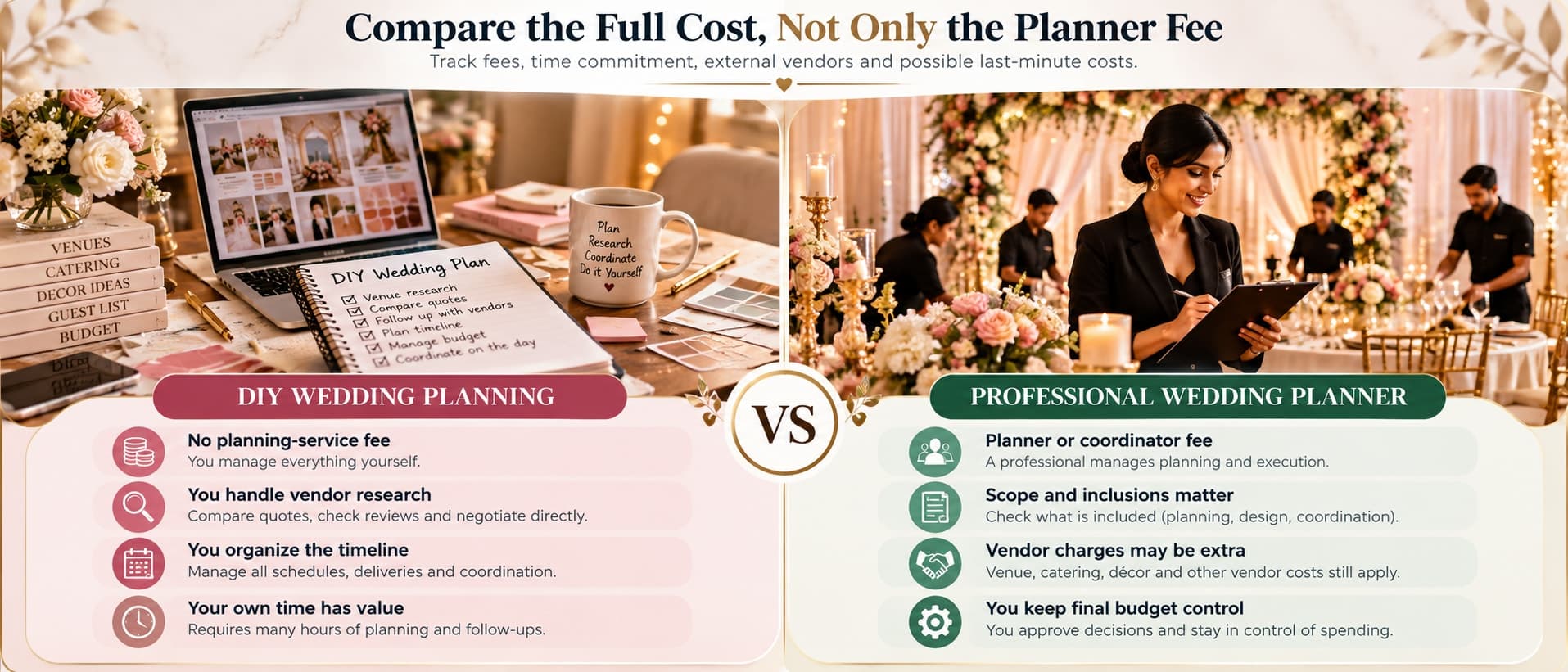
Figure 7: Separating fixed third-party costs from professional planning and coordination fees.
Third-party expenses include venue rental, catering per plate, floral and stage décor, AV and lighting production, photography and cinematography, bridal attire, invitations, and guest travel. These charges are billed directly by suppliers regardless of whether you or a planner booked them. To evaluate costs accurately, consider:
- The Value of Personal Time: A typical Indian wedding requires 150 to 300 hours of coordination. For busy professionals, taking time off work or spending evenings managing contracts represents a tangible personal investment.
- Contractual Gaps & Rush Fees: Missing generator requirements, unverified sound permissions, or overlooked load-in overtime can trigger emergency fees that surpass the cost of professional coordination.
Consider a couple working with an illustrative ₹15 Lakh wedding budget:
DIY Allocation Scenario
- • Venue & Catering: ₹8,00,000
- • Décor & Florals: ₹3,50,000
- • Photography & Video: ₹1,80,000
- • Outfits & Jewelry: ₹1,20,000
- • Contingency & Misc: ₹50,000
- • Total Outlay: ₹15,00,000
- • Planning Fee: ₹0 (Couple manages 200+ hrs)
Professional Allocation Scenario
- • Venue & Catering: ₹7,50,000
- • Décor & Production: ₹3,20,000
- • Photography & Video: ₹1,60,000
- • Outfits & Jewelry: ₹1,20,000
- • Professional Planning / Coordination: ₹1,00,000
- • Total Outlay: ₹15,00,000 (Within Cap)
- • Outcome: Full on-site peace of mind
Disclaimer: This is a purely hypothetical example provided for illustrative comparison only. It does not represent a standardized market quotation, fixed package rate, or universal wedding pricing for AS Event Management. For a comprehensive overview of real-world event budgeting in India, see our complete guide on how much event planning costs in India.
8. The Middle Path: Partial Planning and Wedding-Day Coordination
Couples frequently assume their decision is all-or-nothing: either handle every single detail yourself or surrender everything to a full-service agency. In practice, the wedding industry offers a flexible, highly popular middle path: Hybrid Planning.
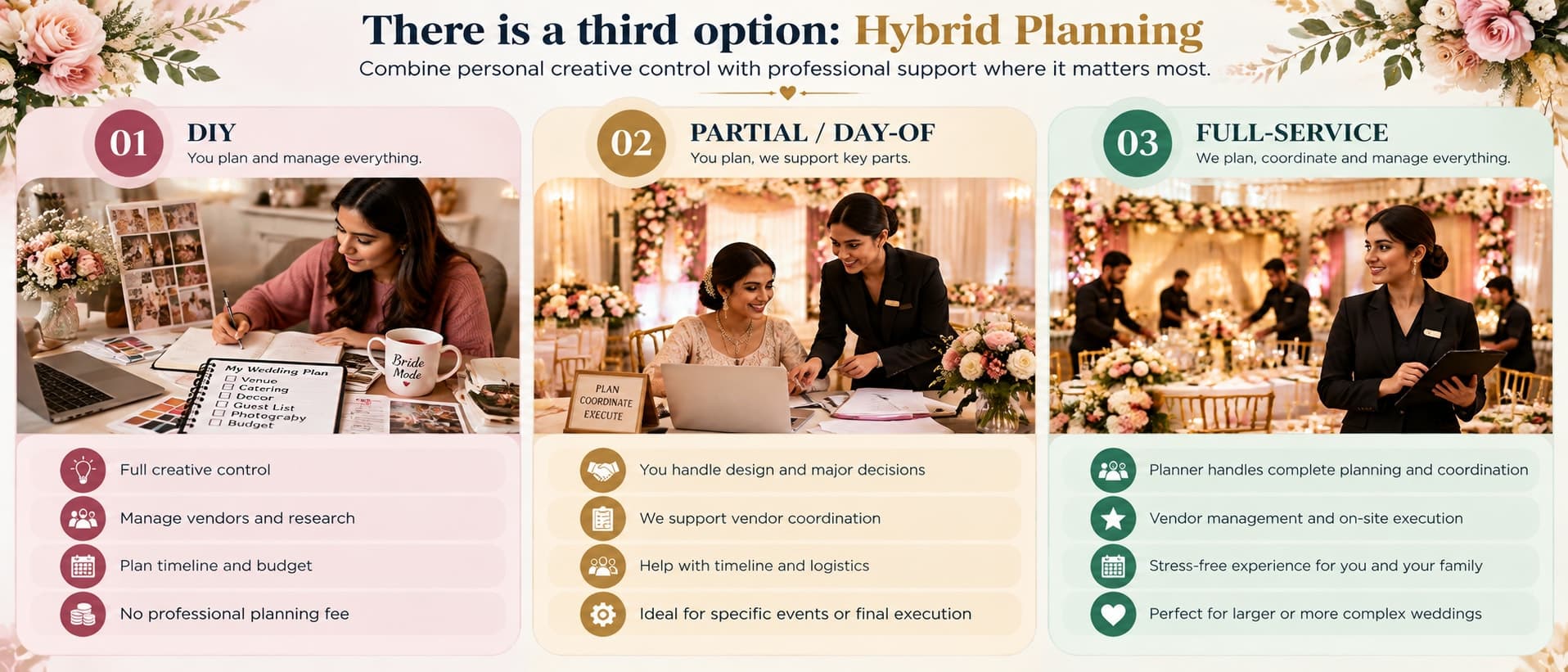
Figure 8: Hybrid planning empowers couples to retain personal creative decisions while delegating operational logistics.
Partial Planning
Ideal for couples who have already booked their venue and core vendors but need an experienced partner to review contracts, manage budgets, source specialized production artisans, and structure the master timeline 2 to 3 months prior.
Wedding-Day Coordination
Typically begins 4 to 6 weeks before the wedding. The coordinator conducts venue walkthroughs, consolidates vendor contracts, builds the minute-by-minute run-of-show, and manages all live logistics so family members can celebrate unburdened.
For more details on when to engage coordination services, read our advice on how early you should hire an event planner.
9. Indian Weddings: When Complexity Changes the Answer
Indian weddings are magnificent celebrations characterized by rich traditions, extended families, and multiple ceremonial events spread over several days. Each function carries unique staging, culinary, and logistical demands:
Haldi
Lawn or courtyard venue; marigold florals, yellow dress code, water access, and casual brunch catering.
Mehendi
Intimate lounge seating, specialized henna artists, folk music, interactive food counters, and custom favors.
Sangeet
Extensive stage production, intelligent lighting, choreographed rehearsals, audio line-checks, and late evening dining.
Wedding / Pheras
Sacred mandap construction, baraat procession, priest coordination, ceremonial pooja samagri, and emotional family transitions.
Reception
Grand stage backdrop, multi-course banquet, formal guest flow, photographer portraits, and speech coordination.
Destination Weddings
Airport shuttles, room key allocations, hotel hospitality desks, out-of-town guest welcome hampers, and multi-venue changeovers.
When ceremonies take place across multiple days or at separate venues, a delay in one function cascades into the next. For instance, if Mehendi runs 45 minutes late, sound-checks for Sangeet clash with hotel guest check-ins. If you are organizing a destination wedding or multi-ceremony celebration, explore our specialized destination wedding planning services to ensure seamless transitions.
10. How to Decide: Time, Stress and Complexity
To move from debate to a clear decision, evaluate your wedding plans against three objective criteria: Time, Stress Tolerance, and Event Complexity.
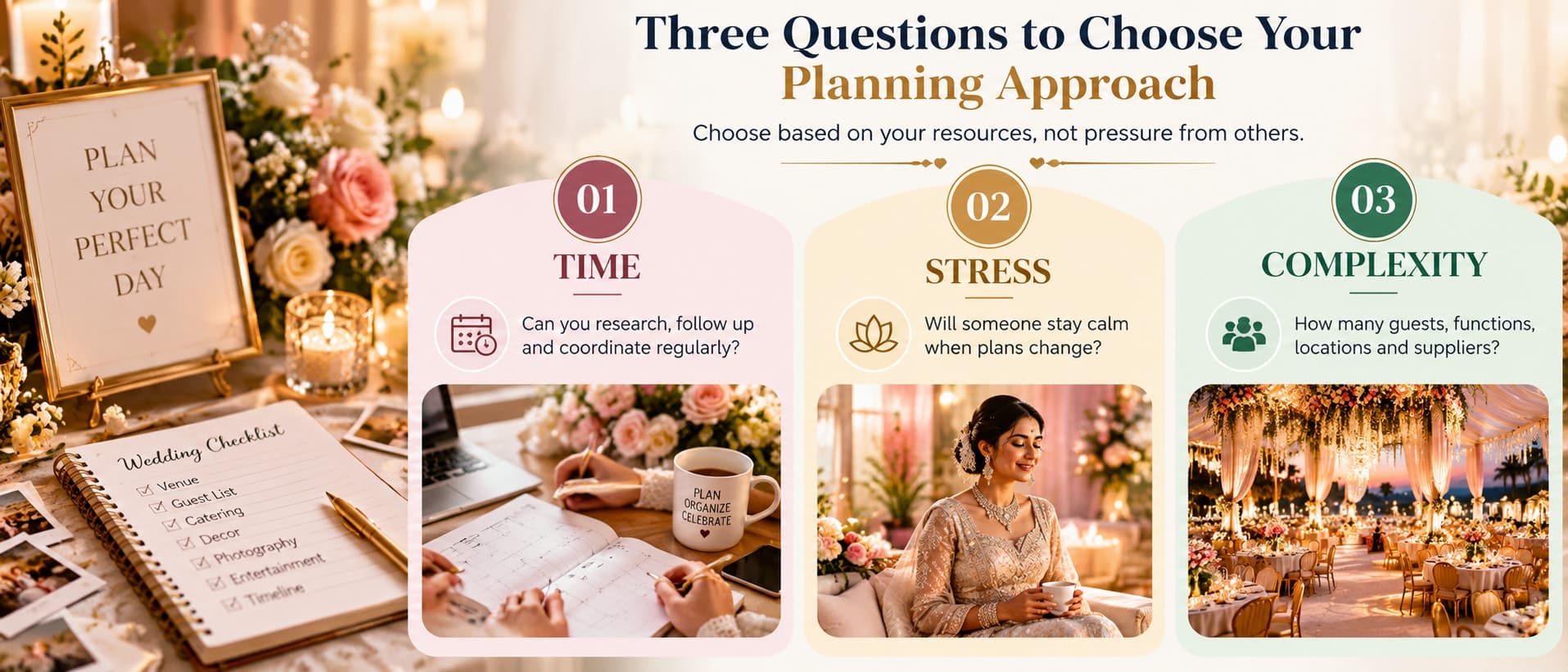
Figure 9: The three-pillar framework for choosing DIY, partial coordination, or full-service planning.
1. Available Time
How many hours per week can you realistically dedicate to planning?
2. Stress & Change Tolerance
How comfortable are you managing vendor problems and changing plans under time pressure?
3. Event Complexity
How many functions, separate venues, suppliers, and guest movements are involved?
11. A Practical Recommendation for Different Couples
Every couple brings a distinct combination of budget, schedule, and family support. Here is a practical roadmap to match your profile to the right planning approach:
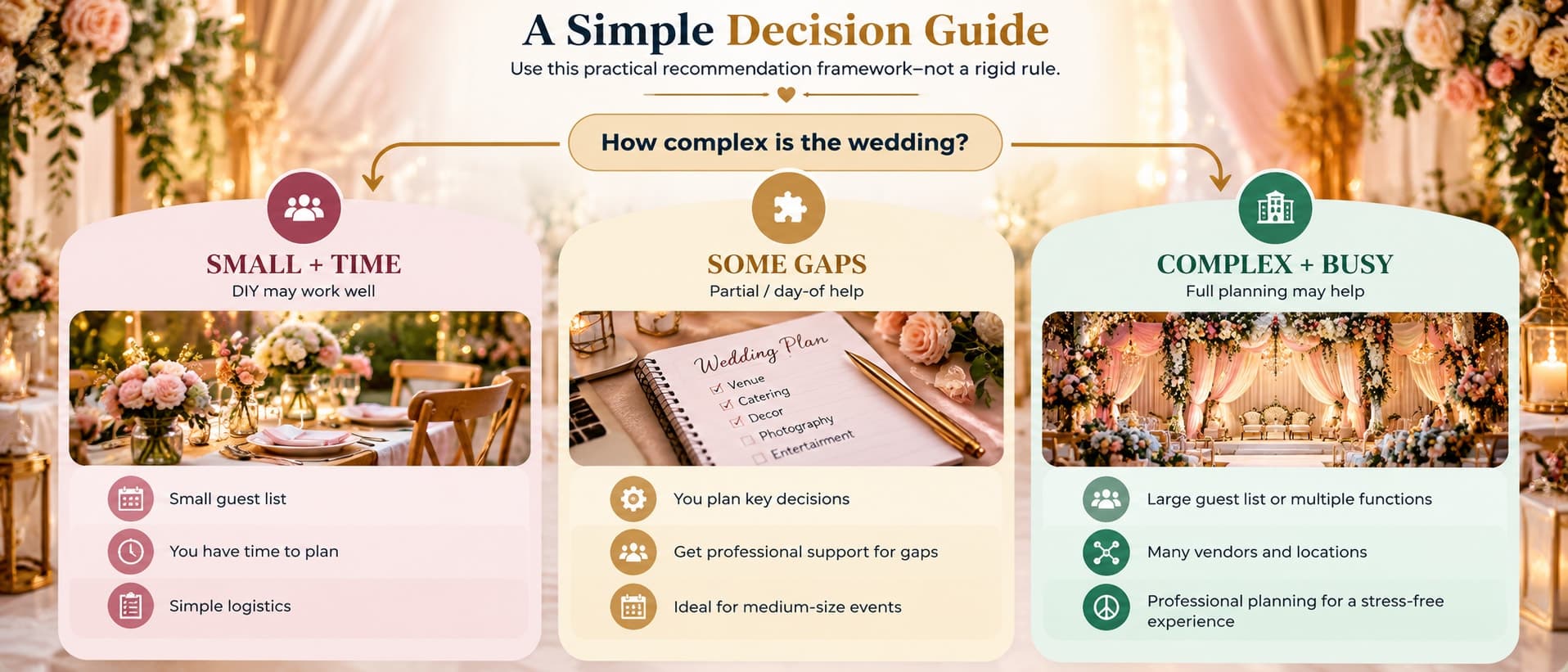
Figure 10: Simple roadmap guiding couples to the appropriate service tier based on wedding scale and availability.
Scenario A: The Organized, Local Celebration (DIY)
Single banquet or community hall, guest count under 150, straightforward vendor count, ample personal free time, and an enthusiastic sibling or relative available to supervise setup on event day.
Scenario B: The Busy Couple Seeking Creative Ownership (Hybrid)
2 to 3 functions, 150–350 guests. The couple personally chooses the aesthetic theme, bridal attire, and core caterer, but hires an event-day coordinator 6 weeks before to lock down timings and run on-site execution.
Scenario C: The Multi-Day, Destination or Large Celebration (Full Planning)
4+ ceremonies, palace or resort destination, out-of-town guests requiring hospitality and shuttles, demanding professional careers. A full-service wedding planner handles the logistics from day one.
For a step-by-step checklist to guide your milestones regardless of which approach you select, see our complete event planning checklist.
12. Planning Handover: Who Is in Charge on the Wedding Day?
Regardless of whether you plan independently or hire an agency, an explicit operational handover is mandatory. On your wedding day, the bride and groom must not be taking calls about generator placements, parking permits, or flower delivery delays.
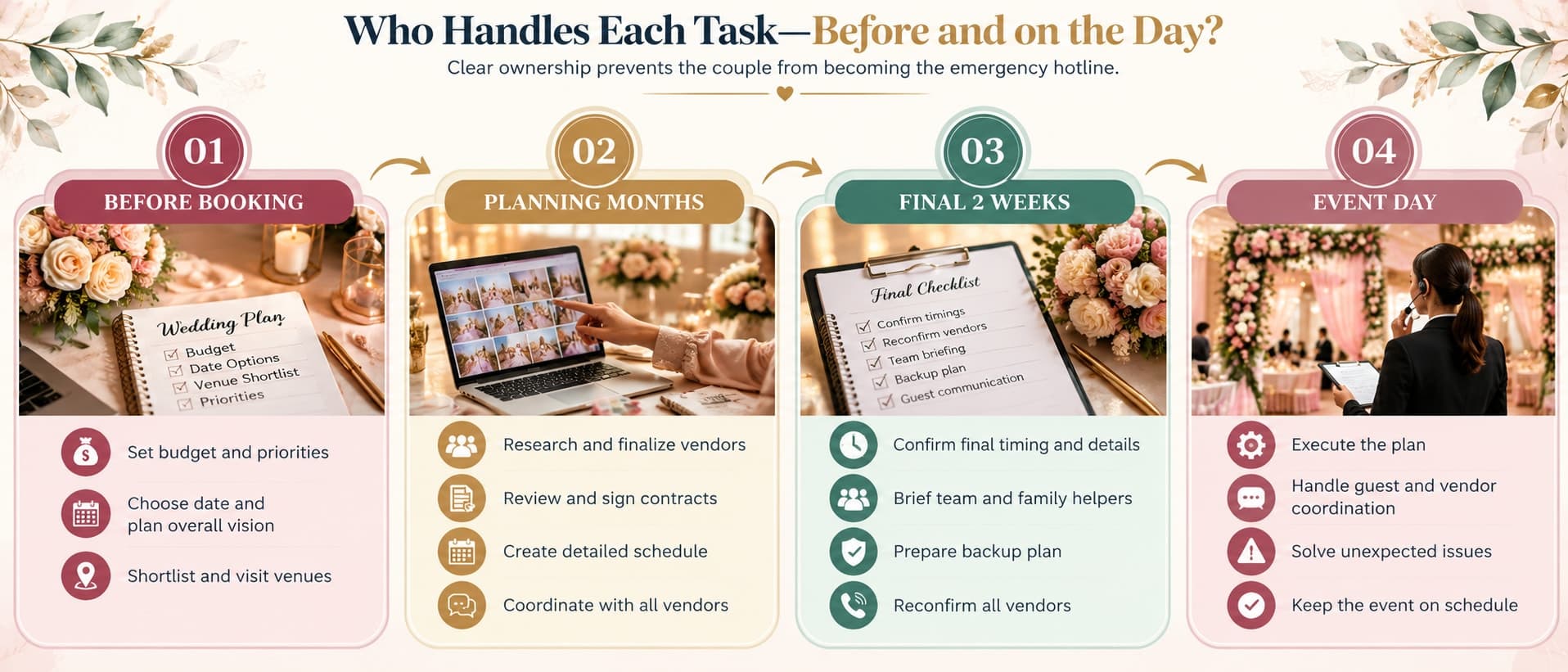
Figure 11: Delineating pre-event planning ownership from on-site live execution responsibilities.
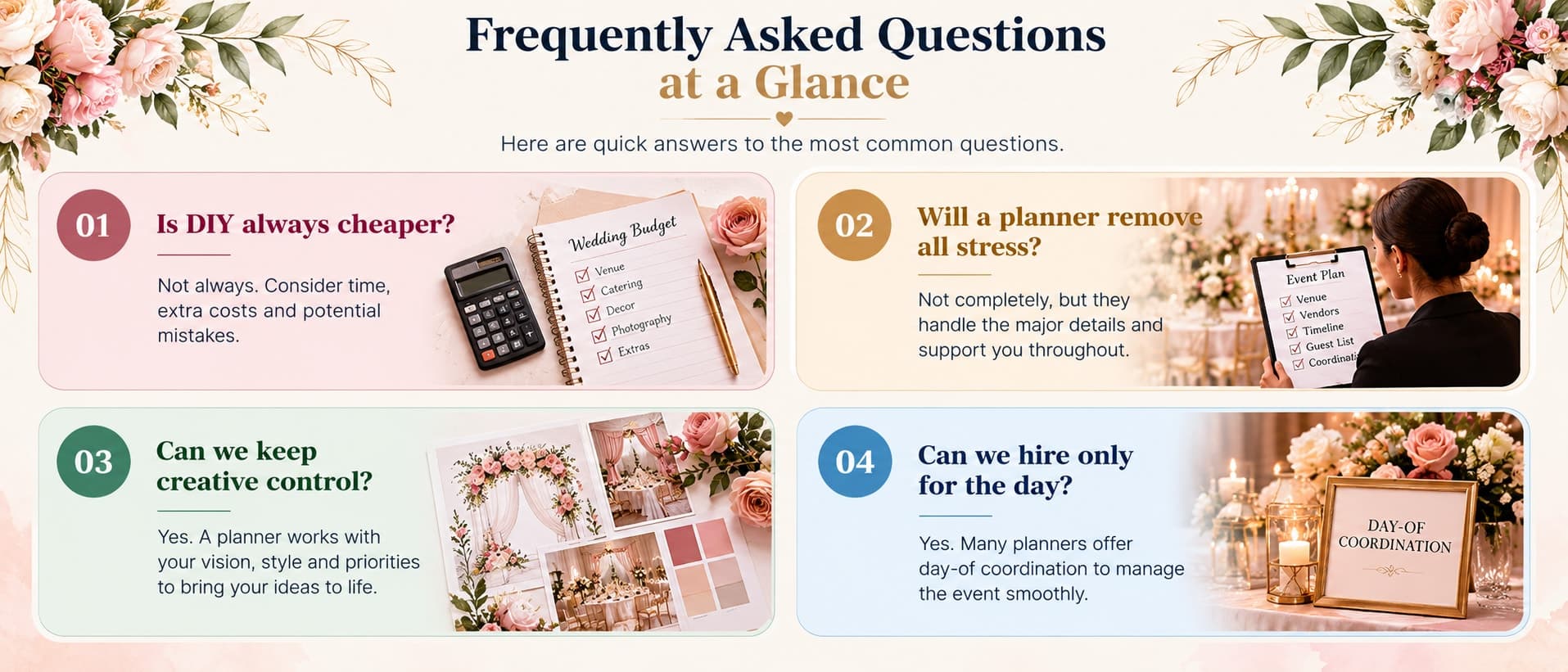
Figure 12: Establishing owners and deadlines across each milestone from initial brief to live execution.
Wedding-Day Handover Pack Checklist
0 of 12 ConfirmedEnsure this handover document is compiled and delivered to your on-site lead (or family captain) at least one week before the wedding:
13. Mistakes to Avoid With Either Planning Approach
Whether you choose to self-plan or hire full-service assistance, avoiding these common operational oversights will protect your budget, timeline, and emotional peace of mind:
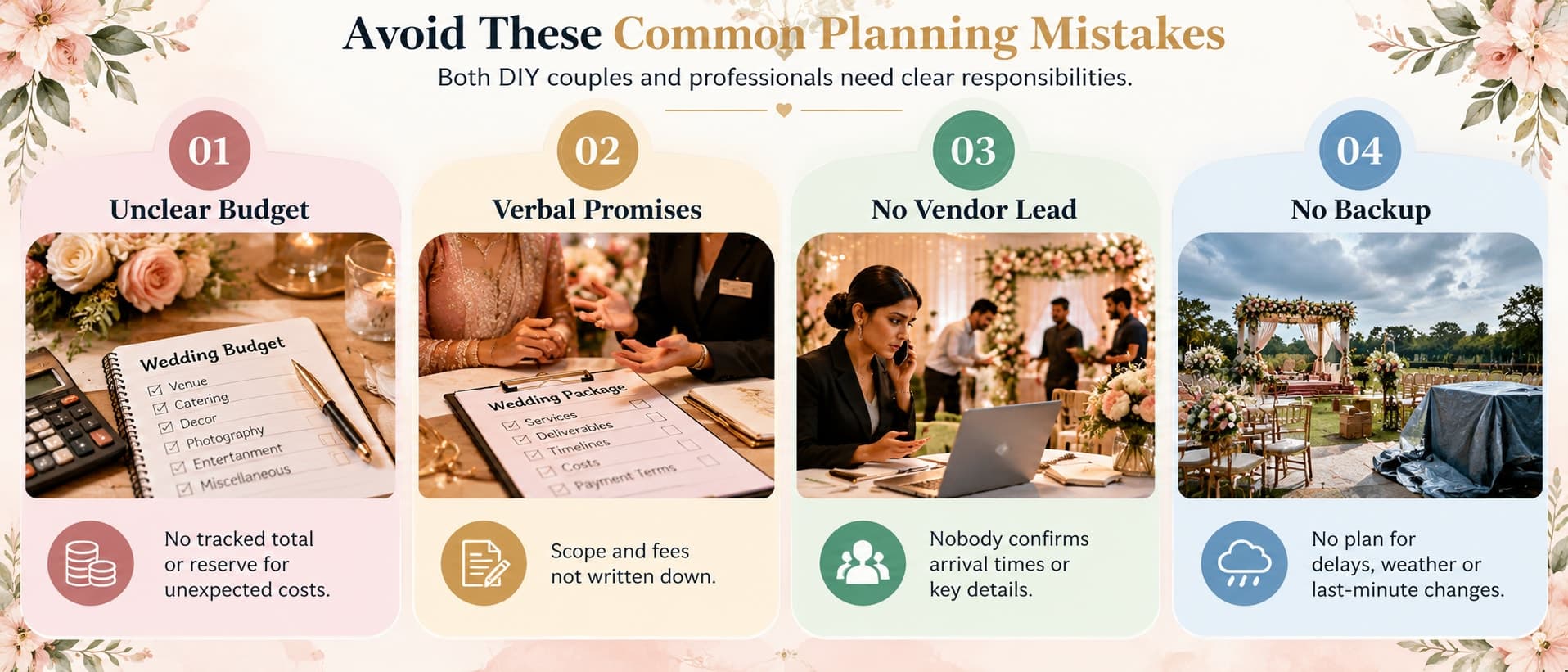
Figure 13: The most frequent wedding planning pitfalls and how proactive documentation prevents them.
1. Relying on Verbal Agreements
Never accept verbal promises regarding setup timings, complimentary items, or overtime hours. Document every agreed inclusion in written email summaries or contract addendums.
2. Overburdening Immediate Family
Assigning critical production roles to parents or siblings often ruins their ability to enjoy the wedding. Use paid staff or independent coordinators for high-stress operational tasks.
3. Choosing Solely on Lowest Price
The lowest quotation frequently omits necessary equipment (power distribution, speaker stands, service waitstaff) that must be added later at inflated emergency rates.
4. Hiring Without Scope Clarification
Assuming a “full-service” planner automatically covers guest hospitality, airport pickups, or post-event teardown without verifying contractual wording leads to bitter misunderstandings.
For a deep dive into how planning responsibilities differ from operational coordination, read our comparison of event planner vs event manager.
14. Frequently Asked Questions
Clear, authoritative answers to the most common questions couples ask when weighing DIY wedding planning against hiring professional support:
15. Final Recommendation: Choose the Right Support, Not a Label
There is no single correct path in the wedding planner vs DIY debate. A DIY wedding can be intimate, delightfully unique, and budget-friendly when the celebration is manageable and the couple possesses the time and organization to execute it. Conversely, a professional wedding planner provides invaluable structure, industry foresight, and calm accountability when the guest count, multi-day functions, or venue logistics demand experienced leadership.
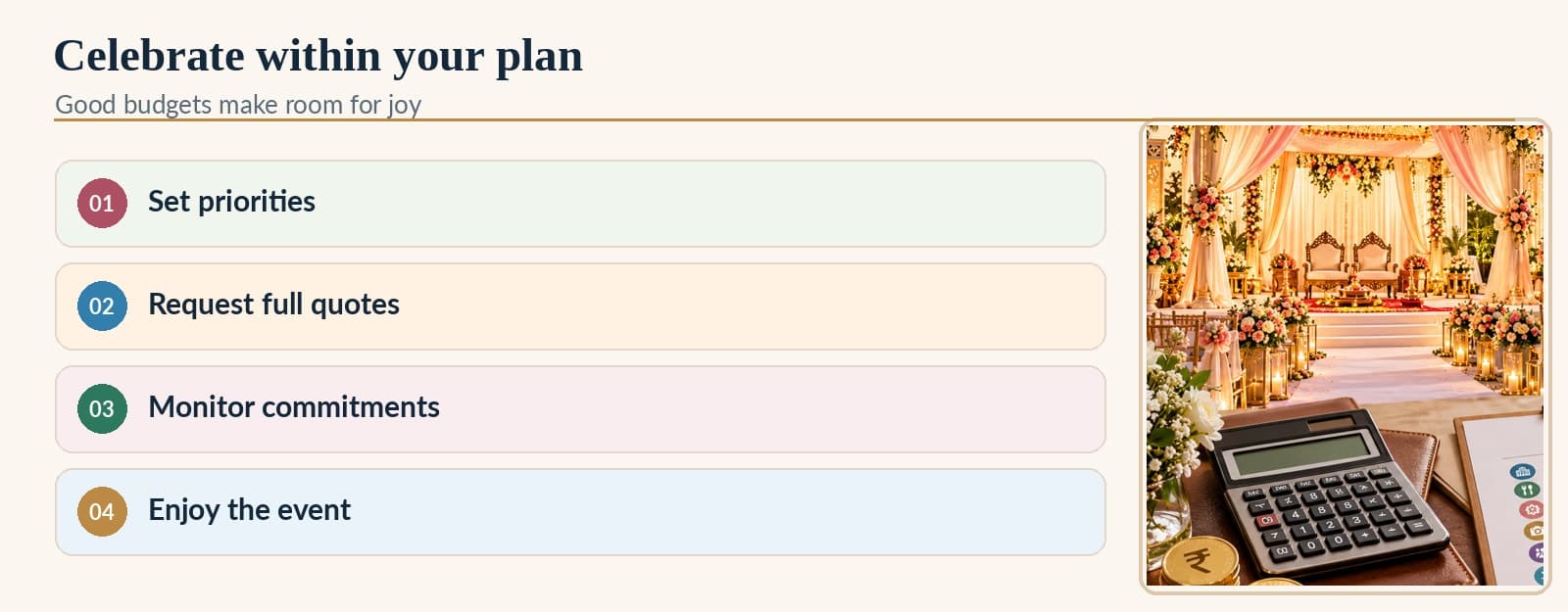
Figure 14: Clear budgeting and proactive planning make room for joyful celebrations.
Before committing to vendor advances, sit down together and answer five practical questions:
- What are our non-negotiable priorities for this celebration?
- What is our realistic total financial ceiling?
- How many hours per week can we honestly dedicate to vendor calls and follow-ups?
- Who will oversee deliveries, sound-checks, and emergency decisions on the actual wedding day?
- Which specific responsibilities would we most prefer to delegate to an expert?
Use those answers to choose DIY planning, partial planning, day-of coordination, or full-service management. The best decision is not the one dictated by social expectations, but the one that ensures you and your families can celebrate every sacred ritual with confidence, presence, and joy.
Not Sure Whether to Plan Your Wedding Yourself or Hire Professional Support?
Share your wedding date, location, guest count, functions, planning progress and priorities with AS Event Management. Our team can help you understand whether DIY planning, partial coordination or professional wedding planning support may fit your needs.